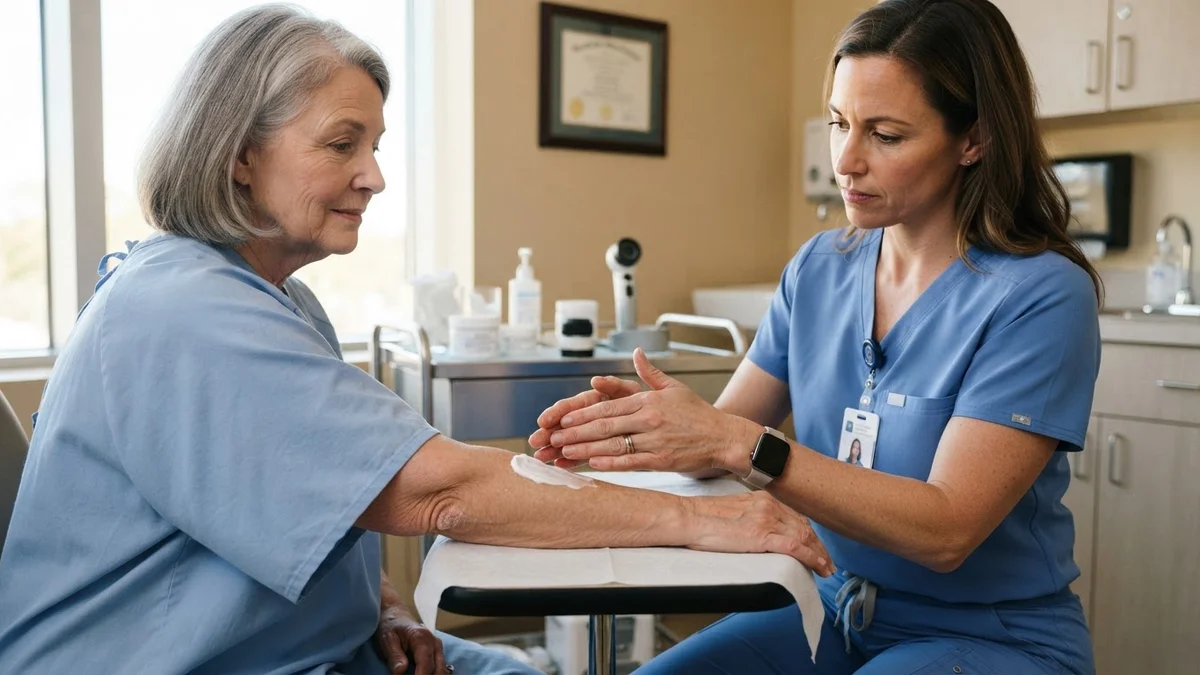
Psoriasis is a long-term immune-related condition that causes skin cells to build up too quickly. Instead of renewing over about a month, skin cells form in just a few days, creating thick, scaly patches called plaques. It affects millions of people around the world and is not contagious.
Why Psoriasis Happens
In psoriasis, the immune system sends faulty signals that speed up skin cell growth and cause inflammation. Genes play an important role, and flares can be triggered by infections such as strep throat, skin injuries, stress, smoking, heavy alcohol use, cold weather and certain medicines.
Common Types
- Plaque psoriasis: the most common type, with raised, scaly patches on elbows, knees, scalp and lower back
- Guttate psoriasis: small drop-shaped spots, often after a throat infection
- Inverse psoriasis: smooth, red patches in skin folds
- Pustular psoriasis: pus-filled bumps on red skin
- Nail psoriasis: pitting, discoloration or lifting of nails
More Than Skin Deep
Psoriasis is linked with other health conditions. Up to around one in three people with psoriasis may develop psoriatic arthritis, which causes joint pain, stiffness and swelling. People with psoriasis also have a higher risk of heart disease, diabetes and depression, so overall health checks are important.
Diagnosis
A doctor usually diagnoses psoriasis by examining the skin, scalp and nails. Occasionally a small skin sample (biopsy) is taken to confirm the diagnosis.
Treatment Options
Topical Treatments
Mild psoriasis is often treated with corticosteroid creams, vitamin D analogue creams, coal tar products or salicylic acid to soften scales. Regular moisturising helps reduce dryness and itching.
Phototherapy
Controlled exposure to narrowband ultraviolet B light, given in a clinic, can slow skin cell growth.
Systemic and Biologic Medicines
For moderate to severe psoriasis, doctors may prescribe tablets such as methotrexate or newer targeted therapies. Biologic injections that block specific immune signals have transformed treatment for many patients.
Lifestyle Steps That Help
- Keep skin moisturised and avoid harsh soaps
- Stop smoking and limit alcohol
- Maintain a healthy weight
- Manage stress with exercise, sleep and relaxation
When to See a Doctor
See a doctor if you have widespread patches, painful joints, nail changes, or if the condition affects your daily life or emotional wellbeing.
Disclaimer: This article is for general information only and is not a substitute for professional medical advice, diagnosis or treatment. Always consult a qualified healthcare provider about your own situation.