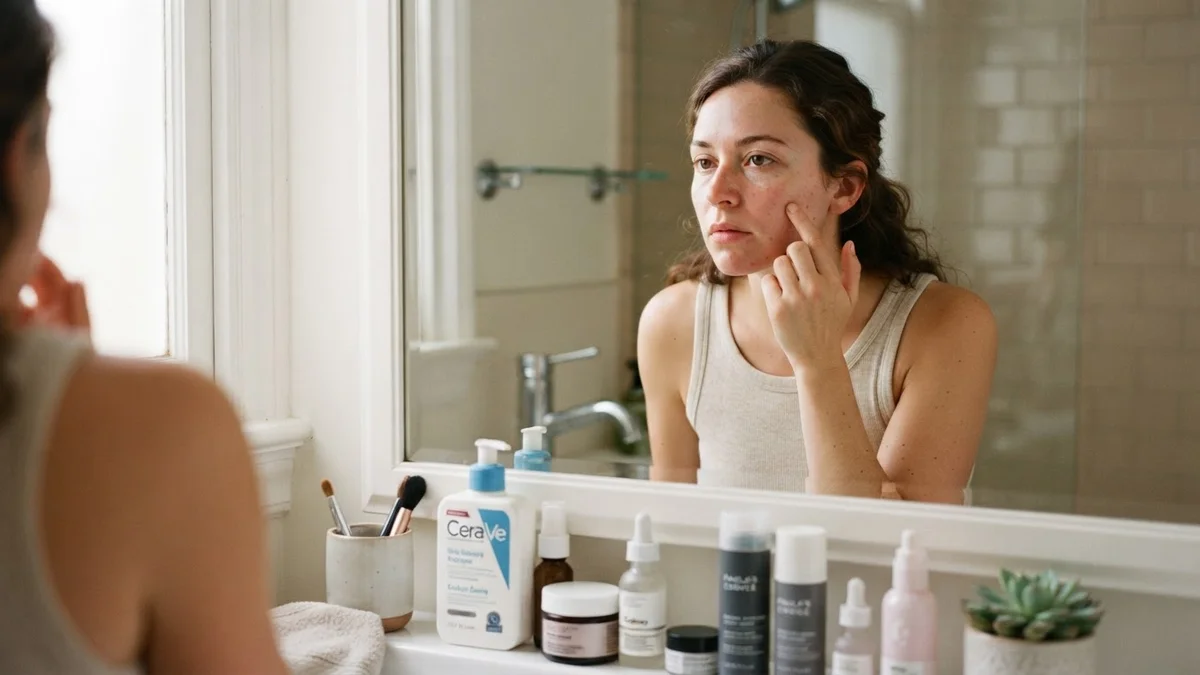
Acne is the most common skin condition worldwide. It affects most teenagers at some point, but many adults also experience breakouts well into their thirties and forties. While acne is not dangerous, it can affect confidence and may leave marks or scars if not treated well.
How Acne Develops
Acne starts inside the hair follicles, which are connected to oil glands. Four main factors work together:
- Excess oil (sebum) production, often driven by hormones
- Clogged pores from dead skin cells
- Bacteria called Cutibacterium acnes that live on the skin
- Inflammation in and around the follicle
Types of Acne
Blackheads and whiteheads are non-inflamed clogged pores. Papules and pustules are red, tender bumps, sometimes with a white centre. Nodules and cysts are deep, painful lumps that are more likely to scar and usually need medical treatment.
Common Triggers
Hormonal changes during puberty, menstrual cycles or conditions such as PCOS can trigger acne. Some medicines, heavy or oily cosmetics, friction from helmets or masks, and stress can also make it worse. Research on diet is still developing, but some people notice links with high-sugar foods or dairy.
Everyday Skin Care Tips
- Wash your face twice a day with a gentle cleanser
- Avoid scrubbing hard, which can irritate the skin
- Choose products labelled non-comedogenic
- Do not squeeze or pick spots, as this increases scarring
- Use sunscreen, especially when using acne treatments
Treatment Options
Over-the-counter Treatments
Benzoyl peroxide reduces bacteria, salicylic acid helps unclog pores, and adapalene gel (a retinoid available without prescription in many countries) helps prevent new spots.
Prescription Treatments
Doctors may prescribe stronger topical retinoids, topical or oral antibiotics, or combination gels. For hormonal acne in women, certain contraceptive pills or anti-androgen medicines may help.
Severe Acne
For severe, scarring or resistant acne, a dermatologist may recommend isotretinoin, a powerful oral medicine that requires close monitoring.
Be Patient
Most acne treatments take six to twelve weeks to show clear results. Skin may feel dry or slightly irritated at first. Sticking with a routine is the key to success.
When to See a Doctor
See a doctor or dermatologist if acne is painful, leaving scars, affecting your mood, or not improving after two to three months of over-the-counter care.
Disclaimer: This article is for general information only and is not a substitute for professional medical advice, diagnosis or treatment. Always consult a qualified healthcare provider about your own situation.