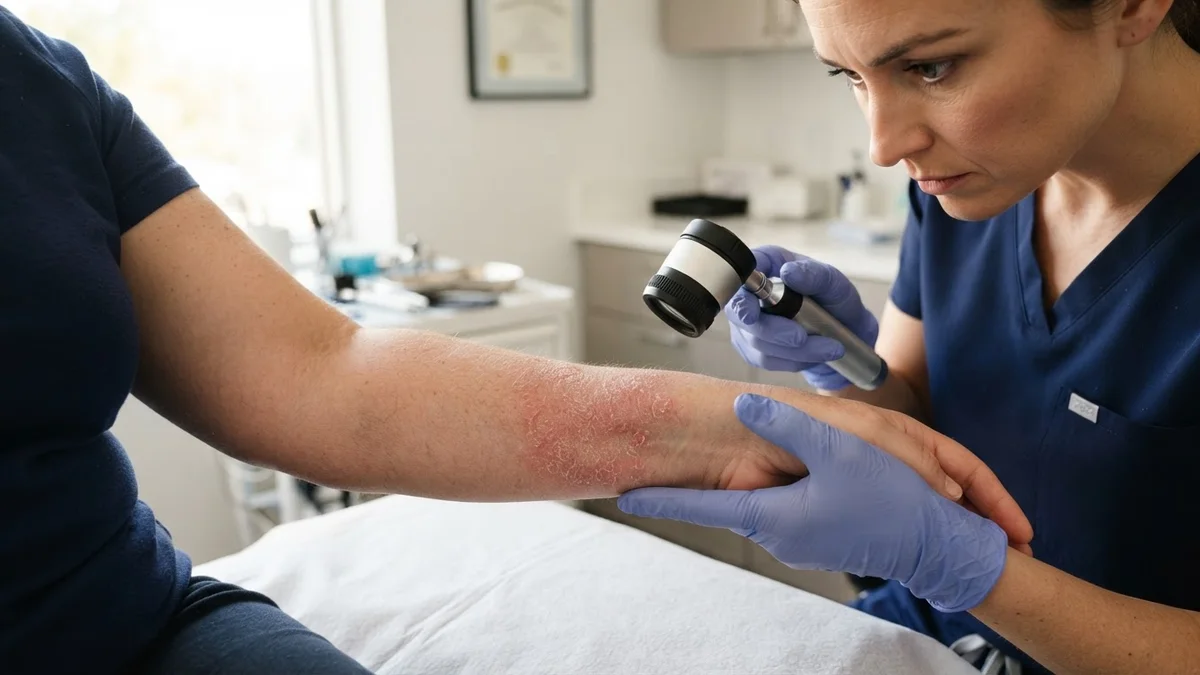
Eczema, also called atopic dermatitis, is one of the most common long-term skin conditions in the world. It affects people of all ages but often begins in childhood. The skin becomes dry, itchy and inflamed, and the condition tends to come and go in cycles known as flares.
What Causes Eczema?
Eczema is not caused by poor hygiene and it is not contagious. It develops when the skin barrier does not hold moisture well and the immune system overreacts to irritants. Genetics play a big role: people with a family history of eczema, asthma or hay fever are more likely to develop it. Changes in a protein called filaggrin, which helps keep the skin barrier strong, are found in many people with eczema.
Common Symptoms
- Dry, rough or scaly patches of skin
- Intense itching, often worse at night
- Red or darker patches, depending on skin tone
- Small bumps that may leak fluid and crust when scratched
- Thickened skin in areas that are scratched repeatedly
In babies, eczema often appears on the cheeks and scalp. In older children and adults, it commonly affects the inner elbows, backs of the knees, hands, neck and around the eyes.
Common Triggers
Triggers vary from person to person, but frequent ones include harsh soaps and detergents, hot showers, sweating, wool or synthetic fabrics, cold dry weather, stress, dust mites, pet dander and certain fragrances. Keeping a simple diary of flares can help you spot your personal triggers.
How Eczema Is Diagnosed
A doctor or dermatologist usually diagnoses eczema by looking at the skin and asking about symptoms and family history. In some cases, patch testing is used to check for allergic contact dermatitis, which can look similar.
Treatment Options
1. Daily Moisturising
Moisturisers are the foundation of eczema care. Thick creams or ointments applied at least twice a day, especially within a few minutes after bathing, help repair the skin barrier.
2. Gentle Skin Care
Use lukewarm water, short showers and fragrance-free cleansers. Pat the skin dry instead of rubbing.
3. Topical Anti-inflammatory Medicines
Doctors often prescribe corticosteroid creams for flares. Non-steroid options such as calcineurin inhibitors or newer topical treatments may be used for sensitive areas like the face.
4. Advanced Treatments
For moderate to severe eczema that does not respond to creams, a specialist may recommend phototherapy or modern biologic and oral medicines that target the immune pathways involved.
When to See a Doctor
See a doctor if itching disturbs your sleep, the skin becomes painful, or you notice signs of infection such as yellow crusts, pus, fever or rapidly spreading redness.
Key Takeaway
Eczema cannot always be cured, but with consistent moisturising, trigger avoidance and the right medical treatment, most people can keep their skin comfortable and flares under control.
Disclaimer: This article is for general information only and is not a substitute for professional medical advice, diagnosis or treatment. Always consult a qualified healthcare provider about your own situation.