A cataract is a clouding of the natural lens inside the eye. The lens sits behind the coloured iris and focuses light onto the retina. When it becomes cloudy, vision becomes blurry, hazy or dull. Cataracts are one of the leading causes of reduced vision worldwide, but they are also highly treatable.
Why Cataracts Develop
The most common cause is ageing. Over time, proteins in the lens break down and clump together. Other risk factors include:
- Diabetes
- Smoking and heavy alcohol use
- Long-term exposure to sunlight without eye protection
- Long-term use of corticosteroid medicines
- Previous eye injury or surgery
- Family history
Common Symptoms
- Cloudy, blurry or dim vision
- Colours looking faded or yellowish
- Glare and halos around lights, especially at night
- Difficulty driving after dark
- Needing brighter light to read
- Frequent changes in glasses prescription
Diagnosis
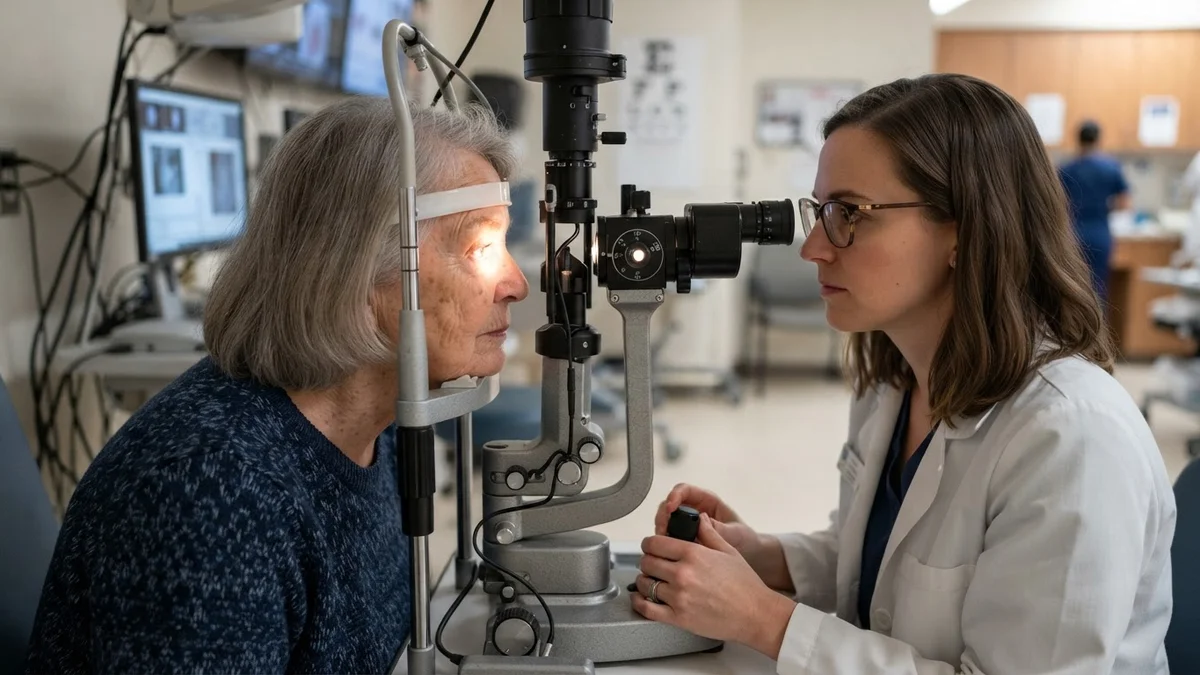
An eye specialist can diagnose cataracts with a comprehensive eye examination, including a visual acuity test, a slit-lamp examination and a dilated eye exam to view the lens and retina.
Early Management
In the early stages, updated glasses, anti-glare coatings, brighter lighting and magnifying lenses can help. There is currently no eye drop or medicine proven to reverse cataracts.
Cataract Surgery
When cataracts begin to interfere with daily activities such as reading, driving or working, surgery is the effective treatment. It is one of the most commonly performed and successful operations in the world.
What Happens During Surgery
The procedure is usually done as day surgery under local anaesthetic. The surgeon makes a tiny opening in the eye, breaks up the cloudy lens using ultrasound (phacoemulsification), removes it and replaces it with a clear artificial lens called an intraocular lens (IOL).
Recovery
Most people notice clearer vision within a few days. Patients typically use prescribed eye drops for a few weeks and avoid rubbing the eye, heavy lifting and swimming during early healing.
Protecting Your Eyes
- Wear sunglasses that block UV rays
- Stop smoking
- Manage diabetes and blood pressure
- Have regular eye check-ups, especially after age 40
When to See a Doctor
See an eye doctor if your vision becomes blurry, you have trouble with glare, or you notice any sudden change in vision. Sudden vision loss, eye pain or flashes of light need urgent attention.
Disclaimer: This article is for general information only and is not a substitute for professional medical advice, diagnosis or treatment. Always consult a qualified healthcare provider about your own situation.